
Foundations for Autonomous Finance - Part II: Markets, Macro and History
“A change in perspective is worth 80 IQ points.” - Alan Kay


In Part I, I listed technical references for autonomous finance. It turns out that technical foundations alone won’t keep you in the trading game. You also have to navigate live markets, macro regimes, and your own psychology when building systems that trade real capital. Part II covers the references that shaped my mental models, risk management, and operational approach over five years as a solo systematic trader.
Market structure, macro and history
Financial markets aren’t just data, code, and servers. Price movements reflect retail flows, institutional positioning, Fed policy, geopolitics, and countless other forces. My systems monitor thousands of stocks, but they operate within a macro context I need to understand. These books make that context less confusing.
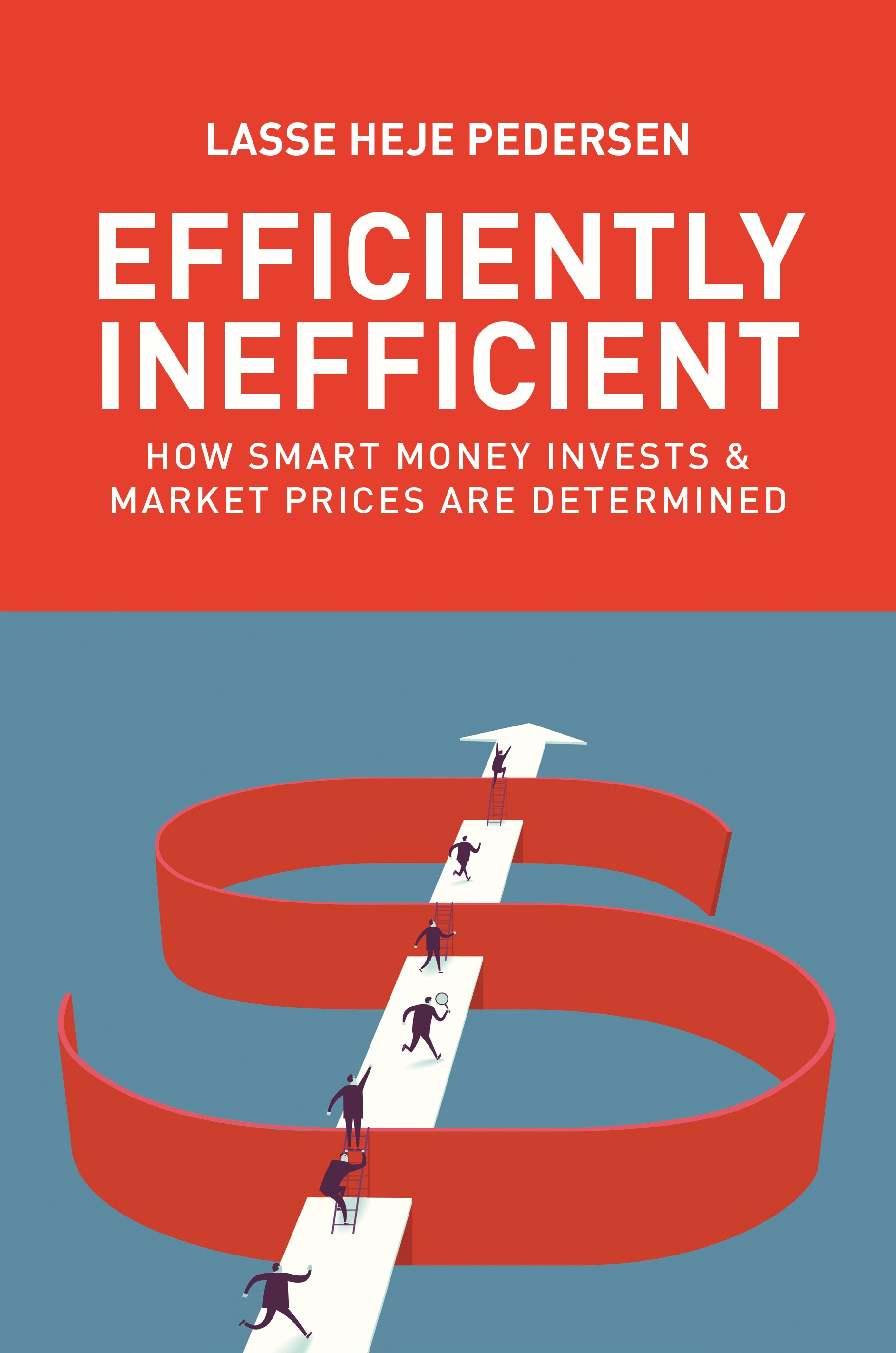
Efficiently Inefficient: How Smart Money Invests and Market Prices Are Determined (Pedersen, 2015)
Markets can’t be 100% efficient — if they were, no one would bother to collection information to trade on. Pedersen shows that market efficiency emerges from traders exploiting inefficiencies. This nuanced view of market efficiency as time-varying, not absolute, informs how I think about alpha decay and continuous adaptation of models and strategies. If you only read one book on what “efficient markets” actually means (or not), read this.
When Genius Failed: The Rise and Fall of Long-Term Capital Management (Lowenstein, 2000)
LTCM: Nobel laureates, sophisticated models, massive leverage—catastrophic failure. Essential reading for understanding tail risk and why over-optimization kills. The lesson that stuck with me: technical brilliance fail when liquidity disappears. When I design systems for risk management, LTCM’s hubris-to-humility arc is always in the back of my mind.
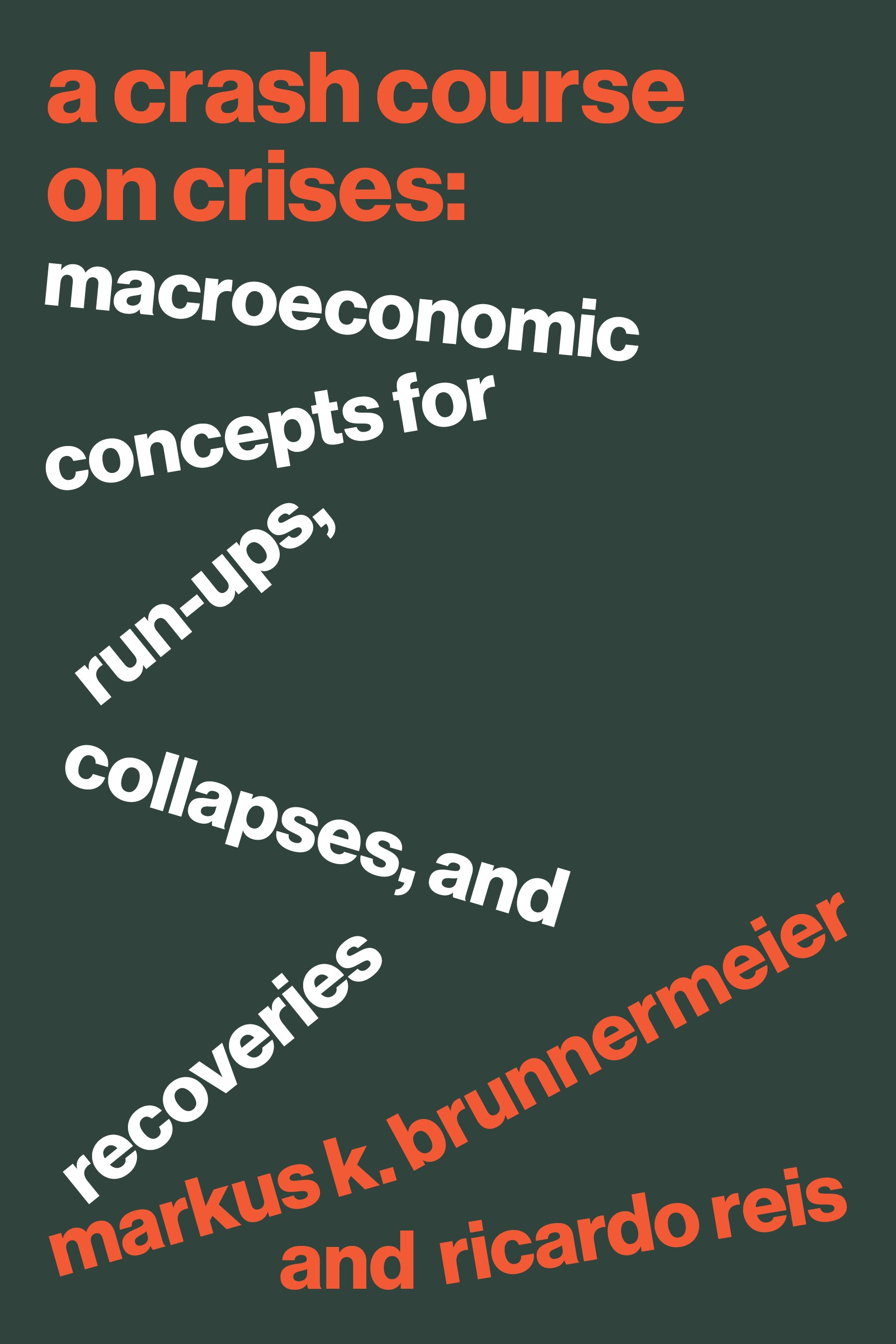
A Crash Course on Crises: Macroeconomic Concepts for Run-Ups, Collapses, and Recoveries (Brunnermeier & Reis, 2023)
Ten chapters covering how fragilities build during booms, what triggers crashes (debt contracts, bank runs, liquidity evaporation), and policy responses. Case studies from Chile in the 1970s to COVID-19. More technical than typical crisis history but more accessible than academic macro. Essential for understanding macro forces that can overwhelm sound strategies. My systems must survive regime changes — this book helped me think about how to achieve this. Named FT Best Book of the Year in Economics.
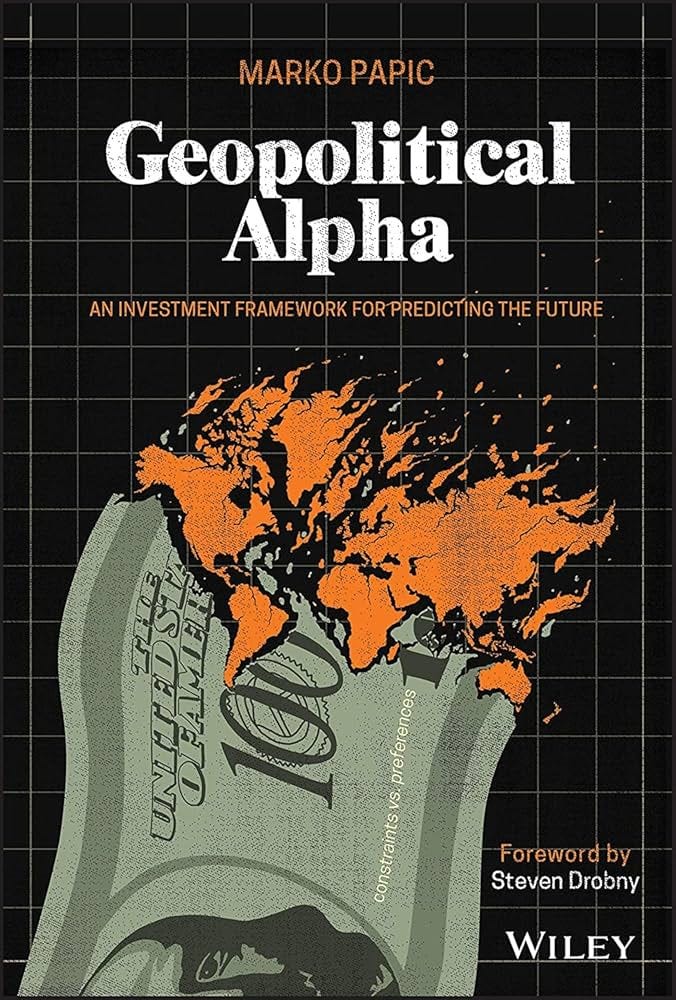
Geopolitical Alpha: An Investment Framework for Predicting the Future (Papic, 2020)
Core insight: ignore policymaker preferences and media narratives—focus on material constraints (fiscal capacity, political capital, institutional limits). Constraints always win. Covers Eurozone crisis, U.S.-China tensions, and more through this lens. Particularly relevant for designing risk management — tracking indicators of regime shifts that technical models won’t capture. Bloomberg Best Books of 2020.
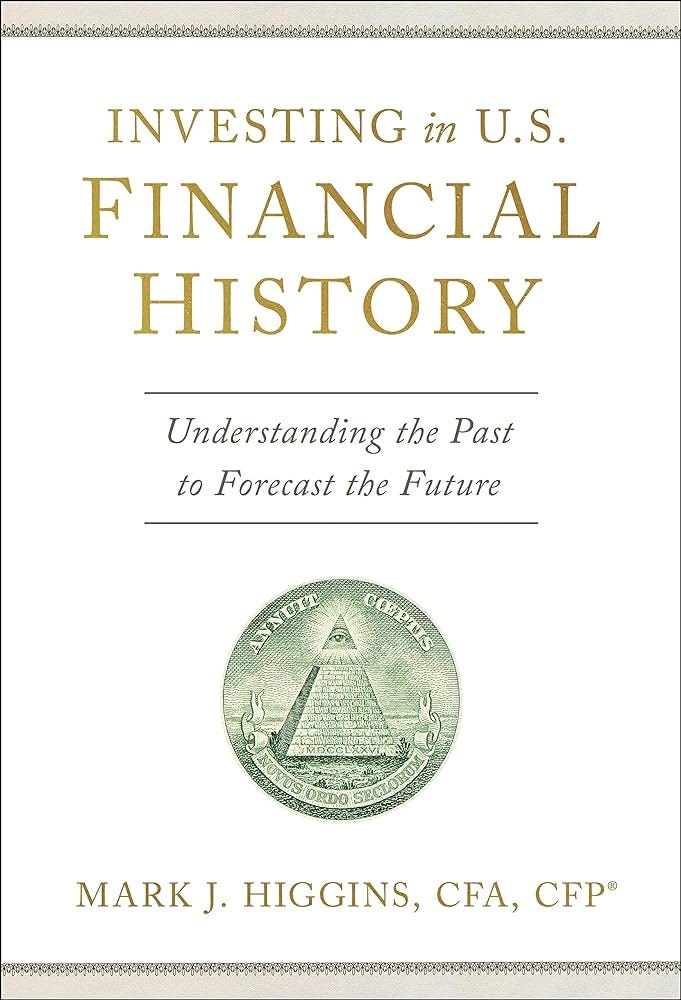
Investing in U.S. Financial History: Understanding the Past to Forecast the Future (Higgins, 2024)
585 pages from Hamilton’s 1790 programs through the Fed’s 2023 inflation battle. Higgins demonstrates that no financial event is unprecedented — crises follow shockingly recognizable patterns. Strong on debunking myths (the Great Depression wasn’t just speculation—flawed monetary policy, bank failures, trade policy all contributed). Dense but authoritative. Useful for calibrating how “unprecedented” current market conditions actually are. A veritable shopping list of what indicators to track for risk management.
The Lessons of History (Will & Ariel Durant, 1968)
What 5,000 years of human history reveal about human nature and states. Core lessons: life is competition and selection, inequality increases with civilization’s complexity, concentrations of wealth trigger redistribution (peaceful or violent). Brief enough to reread annually, dense enough to yield new insights each time. Good for maintaining perspective when markets feel unprecedented—they rarely are.
Individualism and Economic Order (Hayek, 1948)
Why markets work: prices aggregate distributed information no central planner could possess. The centerpiece essay “The Use of Knowledge in Society” is arguably the most important economics paper of the 20th century. This book crystallized my thinking about the distributed nature of markets and designing systems to match.
Autonomous Systems Still Inherit Your Biases
My trading systems are autonomous, but they inherit my biases. I have to make critical design decisions: how to adapt risk tolerance, position sizing across strategies, whether to trust my systems through drawdowns. These books shaped how I think about those judgment calls and how I designed systems to operate without constant supervision.
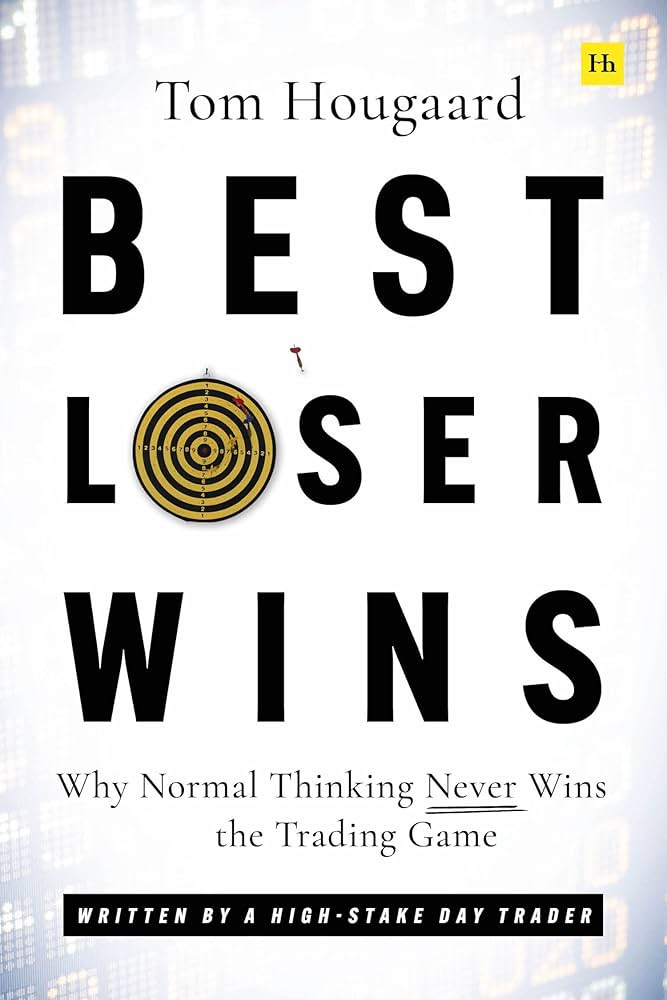
Best Loser Wins: Why Normal Thinking Never Wins the Trading Game (Hougaard, 2022)
Tom Hougaard writes “How you feel about failure will to a very large degree define your growth and the trajectory of virtually every aspect of your life.” This isn’t just about trade execution — it’s about how to design systems that handle losses gracefully. I accept that from time to time, my systems will have losing streaks. This helps me reason about what human traders have to do in the face of volatility, which informs my systems designs.
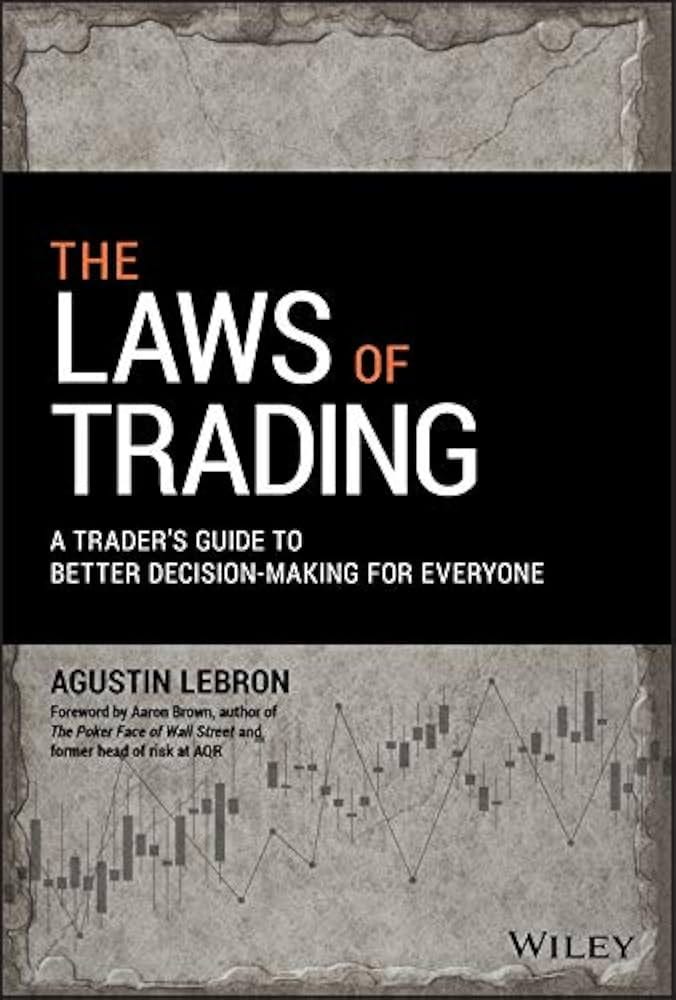
The Laws of Trading: A Trader’s Guide to Better Decision-Making for Everyone (Lebron, 2019)
Trading decision frameworks from a Jane Street trader. Lebron argues traders fail from flawed thinking about edge, risk, and motivation — not lack of technical knowledge. Each chapter introduces one “law”: understanding why you’re trading, avoiding adverse selection, managing organizational entropy. More philosophical than tactical, but the mental models (material constraints, information asymmetry) are essential. Particularly relevant for solo operators, who really need to guard against reasoning errors and to translate into code.
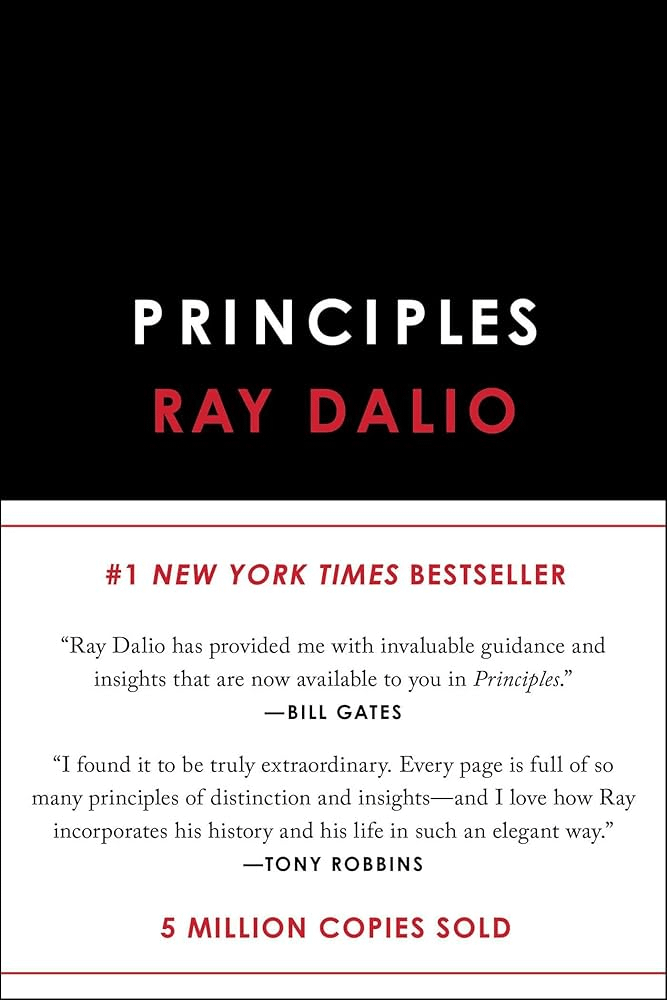
Principles: Life and Work (Dalio, 2017)
Dalio built Bridgewater by systematizing decision-making and creating radical transparency. This book focuses on career and organizations, but I found that it also applies to operations: document everything, systematize repeatable decisions, build visible feedback loops. When I automate something, I’m essentially implementing a version of Dalio’s principle “if you can make a rule for it, make a rule for it.” My systems designs reflect this: every operational task either runs automatically or has a documented playbook. No heuristics, no “I just know when to do X.”
Final Thoughts
Part I equipped you with the technical foundations. Part II is about surviving long enough to deploy them profitably and grow. A focus on technical excellence without business discipline, historical perspective, and psychological awareness is risky business.
The common thread: sustainable success requires thinking clearly about markets, managing risk obsessively, and codifying lessons into systems robust enough to operate without constant intervention. Five years competing as a solo operator taught me that infrastructure and mental models matter as much as models and algorithms. These books helped me build both.